

Disclaimer: The information presented in this page is intended for educational purposes only. These statements have not been evaluated by the Food and Drug Administration These products are not intended to diagnose, treat, cure or prevent any disease. Anyone suffering from any disease, illness, or injury should consult with a physician.
Since antiquity, aromatic herbs and spices have been used for cooking, ceremonies, cosmetics, and as home remedies for minor injuries. Today, aromatherapy is a form of alternative wellness practice that uses essential oils. The goal of this article is to provide information on how to use essential oils in a safe and effective way and enjoy their many benefits. The essential oils presented have been chosen due to their affordability and therapeutic benefits. They are not intended to substitute prescription drugs or a physician’s treatment. They are meant to be used for comfort and wellness.

What are essential oils? Essential oils are natural substances obtained from plants. They contain chemicals that help plants survive and reproduce. They are the “extract” that attracts or dispel insects, and the flavors we use for cooking. Essential oils are distilled or extracted from flowers, roots, leaves, stems, bark or wood from trees. They are called “essential” because they have the distinctive aroma or “essence” of a plant. They do not necessarily feel greasy to touch but do not mix with water.
Essential oils are known for their variety of fragrances, but they provide way more than perfume. All essential oils have practical uses that range from health support to cleaning and cooking. A classic example are lemons. This fruit is a popular home remedy for sore throats, it is well known for its flavor and it is used for cleaning. Lemon essential oil is extracted from the rind of the fruit. One little bottle can have many uses. Its refreshing fragrance improves concentration and it can be used to deodorized shoes. I repeat again: essential oils offer more that fragrance! They can be used to support our physical, emotional and environmental wellness.
Another advantage that essential oils offer is that they help us decrease our exposure to toxic chemicals. Here I present a personal story: I have always enjoyed exercise but I am one of those people who sweats a lot. After hitting the gym I must take a shower and my clothes need to be washed as soon as possible to avoid “the stench”. Three years ago I read an article about the toxicity of many commercial deodorant and I got worried. I need to put on deodorant directly on my skin several times a day! I continue my research not only in the internet, but also at my local library. It turn out that since the eighties it has been known that deodorants have ingredients that can be harmful. I did not want to put my health at risk, so I decided to try a natural deodorant recipe from a natural health book. The only ingredients needed were baking soda, coconut oil and grapefruit essential oil. This was my first essential oil and it worked very well! I have been using this deodorant for the past four years. I continue sweating a lot but, I do not need to

worry about body odor and this home recipe does not stain clothes. After this experience I asked myself: what about harmful ingredients in other household products? The reality is that most commercial brands of makeup, personal care products and detergents have many toxic ingredients. Please visit the Environmental Working Group website for more information: http://www.ewg.org. There are many resources in the internet that can teach you how to make your own personal care and cleaning products. There are non toxic products in the market too. Essential oils can be used to enhance and give a favorite fragrance to these products.
Unfortunately many pharmacies sell essential oils marked as “pure” or “therapeutic” but in reality are diluted with vegetable oil, synthetic perfumes or alcohols. These “essential oils” do not have therapeutic properties and contain man-made chemicals. There are ways to identify non-therapeutic essential oils:
• When all the essential oils from the same brand cost the same by volume: Not all essential oils can cost the same price because they require different distillation, production cost is different or the plant material availability varies. For example, lavender is one of the most popular oils because it has many uses and lavender plants are and easy to grow. On the other hand, Sandalwood essential oils comes from a tree that must be 40 years old before its wood is steam distilled to extract the oil. Therefore if you see a brand of essential oils selling them at $5 each, it is full of fillers and cheap perfume.
• Does the bottle of essential oil mentions the country of origin and the Latin name of the plant? This is important because the common name of the plant may refer to several species of plants. For example Eucalyptus can be “radiata” or “globulus” . Also Chamomile essential oil could be “matricaria recutita” (German Chamomile) or “anthemis nobilis” (Roman Chamomile).
• Essential oils must be store in glass bottles because they dissolve plastic. If you see a “pure essential oil” packaged in a plastic bottle it has been diluted with a carrier oil or alcohol.
But do not worry, you can start an useful collection of 3 to 10 essential oils for an affordable price ranging from $65 to $160 depending on the company that you choose. Expect to pay around $10 for a decent 15 ml bottle of Lavender essential oil. Before buying an essential oil think about the use you have in mind for it. Research, research, research, and sample the oils if you can. Lavender, lemon, tea tree and peppermint are good multipurpose essential oils to start a collection.
There are three ways of using essential oils: topically (massage), inhalation or internally. As anything else that come in direct contact with our bodies, certain precautions are required. There are some oils that have been approved “G.R.A.S.” (Generally Regarded As Safe) by the FDA for internal use in very small quantities. Some of these oils are lemon, lavender, and peppermint. Personally, I do not like consuming them in water or drinks. They do not mix in water and float to the top if mixed in tea or coffee, which does not taste good to me. Now, you can add them to flavor frosting or use one drop of lime essential oil in guacamole.
Precautions while using essential oils:
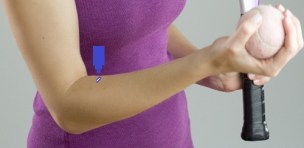
Do a patch or allergy test before using a new essential oil. Apply a single drop on the interior part of the arm under the elbow. Wait 5 to 10 minutes, if you feel a burning sensation or the skin becomes red apply a carrier oil or olive oil to the affected area. Other carrier oils that can be used are grape seed oil, corn oil, avocado oil, coconut oil, jojoba oil or hemp seed oil. Do not use Vaseline or other mineral oils derived from petroleum. These oils have chemicals that could harm your health.
The purpose of the carrier oil is to aid the absorbency of essential oils in the skin and the tissues of the body. Essential oils have small molecules and that can be absorbed by the skin too quickly and cause irritation. Carrier oils have bigger molecules and when mixed with an essential oil their little molecules attach to the big molecules of the carrier oil. That allows a controlled and safer absorption in the skin. Another advantage of using carrier oils is that you can consider your skin type and use a carrier oil that works for you. If you have oily skin, you can select jojoba oil as a carrier oil. Or if your skin is dry, then coconut oil can be used.
Other precautions:

• The safest place to use essential oils for the first time is in the bottom of your feet.
• If you use Peppermint on or around your head, dilute with a carrier oil and keep it far from your eyes. Never use Peppermint essential oil on a child that is two years old or younger.
• When inhaling essential oils do not touch your nose with the top of the bottle, keep it an inch away.
• Always use a carrier oil with these essential oils: Clove, Peppermint and Thyme.
• Never use essential oils in your private parts, ear canal, or inside your nose.
• Essential oils from citrus fruits (orange, lemon, grapefruit, lime, bergamot and mandarin) are photosensitive. If you use them keep the area covered from the sun for the next 12 to 48 hours.
• Pregnant women always must ask a doctor for guidance before using essential oils.
• When using essential oils with children always use a fraction of the dose used on an adult. Read carefully the instructions on the label before applying the oil to a child. Consult with a pediatrician first. There are essential oils blends designed just for children.
• Keep essential oils stored in dark glass bottles away from heat and light.
• People with epilepsy or high blood pressure must consult a doctor before using these essential oils: Hyssop (Hyssopus Officialis), Fennel (Foeniculum Vulgare) and Tansy (Tanacetum Vulgare).
• Thyme, clove and peppermint essential oils may damage contact lenses or irritate eyes. Make sure you wash your hands after use.
• Do not use the same essential oil for more than three days. For example if you are using lavender for skin care, rotate with tea tree or chamomile.
• Get an aromatherapy or essential oils guide. You are going to use this reference often.
Tips for using a diffuser:
• When starting to use the diffuser at home, start with 10 minutes 3 times a day. You can increase the time up to 30 minutes, 3 times a day.
• Do not add more that 6 drops of the essential oil in the diffuser the first time you use it. You do not know if the aroma is going to be too strong for your taste. Once you gain experience you can increase the number of drops and even blend several essential oils.
• Read and follow the instruction that come with the diffuser.
Uses of the 10 basic essential oils:
1. Lavender (Lavándula angustifolia): the most popular and “multipurpose” essential oil. The price for a 15 ml bottle can be between $8 and $24.
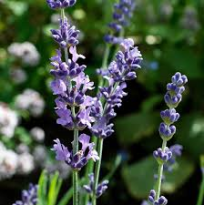
◦ Calming: Rub Lavender oil on the feet for a calming effect on the body. It can be diffused for a quiet atmosphere.
◦ Before Bed: Rub a drop of Lavender oil on your palms and smooth on your pillow before going to sleep.
◦ After a day outdoors: Mix a drop of lavender oil with a scent- free lotion or aloe vera gel to massage on back and shoulders.
◦ Beauty: Mix a drop of lavender essential oil with a carrier oil of your preference and rub on lips, face, and hands.
◦ Linen Spray: Mix 10 drops of Lavender oil with water in a spray bottle and spray on bed and curtains.
◦ Scalp Massage: Mix 2 or 3 drops of Lavender oil with a carrier oil and massage into the scalp.
◦ Scent Drawers: Place a few drops of Lavender oil in a cotton ball and place deep in your drawers.
◦ Water Fountain: Place a drop of Lavender oil in your water fountain to scent the air.
◦ Laundry: Place a few drops of Lavender oil on a wet cloth and throw into the dryer to deodorize and freshen your laundry.
2. Tea Tree (Melaleuca Alternifolia). This tree is native of Australia and expect to pay $19 for 15ml.
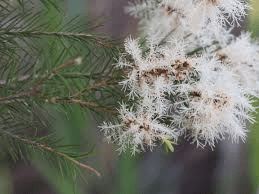
◦ Keep feet happy: After a shower, dry feet thoroughly. Give yourself a foot massage with 1 tsp of carrier oil and 3 drops of oil Tea Tree essential oil per feet. Make sure to cover nails and the skin between toes.
◦ Skin Care: Add this essential oil to your favorite hand and body cream.
3. Peppermint (Mentha Piperita): Fresh and energizing scent! A 15 ml of this essential oil may cost from $9 to $21!!br0ken!!
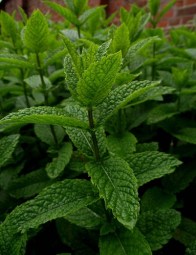
◦ Before Working Out: Inhale peppermint or apply on the sole of your feet before a workout to boost your mood.
◦ Alertness/ Concentration: Diffuse 3 to 5 drops of Peppermint or dilute in a carrier oil and apply under the nose. Do this before studying for a test or work on a complicated task.
◦ Flavoring: Add Peppermint to chocolate frosting, remember to use a toothpick to add the oil. A little bit of oil can flavor a lot!
◦ Paint Fumes: Diffuse in a freshly painted room to get rid of the paint smell.
◦ Refresh Feet: Mix Peppermint oil in a foot bath to relieve tire feet. Keep water agitated.
4. German Chamomile (Matricaria chamomilla/recutita) or Roman Chamomile (Arthemis nobilis): This essential oils are sold in smaller quantities (5ml) for a value between $20 to $40.
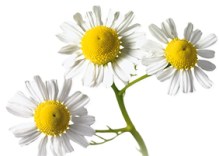
◦ Before going to sleep: Good for any age! Dilute 1 drop of any of these essential oils with a teaspoon of carrier oil. Massage on hands and feet.
◦ Skin Care Products: Add 5 to 10 drops of any of these two essential oils to witch hazel and use as a natural astringent (shake well before each use). Or you can add to your favorite face or hand moisturizer.
5. Eucalyptus (Eucalyptus Radiata or Eucalyptus Globulus): It has a stimulating and comforting aroma, perfect for winter. The price for a 15 ml bottle is $19 or less.
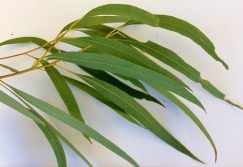
◦ Grandparent’s Hug: Once you smell eucalyptus, you will understand this use. Mix 3 teaspoons of a carrier oil with 3 drops of this eucalyptus essential oil and apply on chest and back.
◦ Refreshing Mist: Mix 10 drops of any of these two essential oils in a spray bottle with water and apply on your clothes before going outside.
◦ Therapeutic Massage: Dilute 3 drops of any of these two essential oils with 1 tablespoon of carrier oil and massage in desired area.
6. Lemon (Citrus Lemon). Another of the most useful essential oils. Lemon essential oil mix very well with Lavender and Peppermint. A 15 ml bottle costs between $7 and $12.

◦ Air Freshener: Put 6 drops of Lemon oil and 6 drops of Purification oil in a squirt bottle mixed with distilled water to use in the bathroom as an air freshener.
◦ For cleaning gum, oil, grease spots and crayons: Use 1-2 drops of Lemon oil to remove and clean these substances.
◦ Add to Castille and Dish Soap: Mix several drops of Lemon oil to dish soap to wash the dishes. Add to castille soap and use in the cleaning water to mop floors.
◦ Frosting Flavoring: Use a toothpick to flavor cake frosting. Mix and repeat if needed. Remember that very little oil can go a long way!
◦ Pleasant Scent: Add 2 or 3 drops of lemon essential oil to a cotton ball and place in the air vent of your car, house or office.
◦ Improve concentration while working or studying: In a diffuser add 6 drops of lemon essential oil to the water. Use it in the space you study or work.
7. Geranium (Pelargonium Graveolens): A 15 ml bottle cost around $21 and $41. It has a strong floral scent but diluted is feminine and delicate.
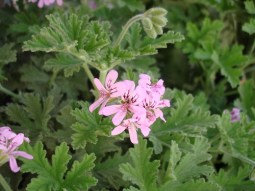
◦ Aromatherapy: Add 1 drop of geranium essential oil to your favorite face mask. Or at the end of the shower you can add a 2 or 3 drops of geranium essential oil to a wet cloth and scrub quickly on your skin.
◦ Comfort for those days of the month: Mix 2 drops of geranium essential oil with a teaspoon of a carrier oil and massage on your lower back.
◦ Leg Massage: Dilute 10 drops of geranium essential oil with 2 tablespoons of a favorite carrier oil. Massage on your legs starting on your ankles toward your knees.
8. Rosemary (Rosmarinus Officialis): Use in moderation because it has a stimulating but potent aroma. In antiquity it was used as incense. Its average price is $11 for a 15ml bottle. Pregnant women and people with Epilepsy must consult with a doctor before use.
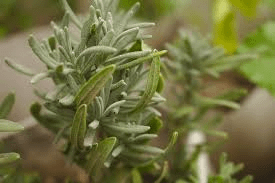
◦ Comfort for those days of the month: Mix one drop of rosemary essential oil with one teaspoon of carrier oil and massage on the soles of your feet.
◦ Improve concentration: Use 4 or 5 drops of rosemary essential oil in your diffuser. Or rub one drop on your wrists.
◦ Hair Care: Add and mix 3 to 5 drops of rosemary essential oil to your shampoo and conditioner. It can also be used in a detangler.
◦ Therapeutic Massage: Mix 2 drops of rosemary essential oil with a tablespoon of carrier oil and massage to desired area.
9. Thyme (Thymus Vulgaris). This essential oil is one of the most irritating and low doses are a must. The price for this oil is between $15 and $36 for a 15ml bottle.
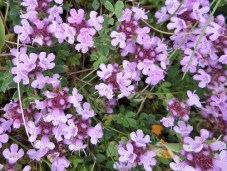
◦ Dental Care: Mix one drop of Thyme essential oil with 8 oz of warm water. Again, mix well and do gargles with this water do not swallow if the oil is not G.R.A.S. (Generally Regarded As Safe).
◦ Support Wellness: Dilute 1 drop of thyme essential oil in a teaspoon of carrier oil and massage on your back.
◦ To clean the air after a party or during the winter season: Add 3 to 5 drops of thyme essential oil to the water in a diffuser. Use the diffuser for 30 minutes no more than 3 times a day.
10. Clove (Eugenia caryophyllata) Another irritating essential oil. The 15 ml bottle price is around $15.
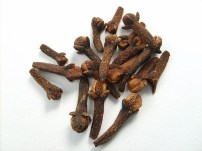
◦ Tooth discomfort: Floss to rule out food between the teeth. Warm up mildly a teaspoon of olive oil and mix in one drop of clove essential oil. Soak a cotton ball with this blend and place on tooth for 10 minutes. Repeat if necessary and call your dentist.
◦ Ear discomfort: Warm up mildly a teaspoon of sesame seed oil and mix in one drop of clove essential oil. Soak a cotton ball with this blend and remove excess. Place on the entrance of the ear canal not inside it! Call your doctor if discomfort turns into pain.
◦ Toothpaste: Mix one drop of clove essential oil with two tablespoons of baking soda. Use as toothpaste and do not swallow. Rinse with water.
◦ Keep insect away from the kitchen surfaces: In a spray bottle pour water add 15 drops of clove essential oil and fill to the top with water. Shake well and “clean” counters and tables.
Other things to do with blends of these essential oils:
• Tired muscles after exercise: Mix one teaspoon of carrier oil with 2 drops of clove, 2 drops of eucalyptus and 1 drop of eucalyptus essential oils. Apply on tired muscles. Or: Mix 1 drop of Peppermint essential oil with 1 drop of eucalyptus in a teaspoon of carrier oil and apply.

• Energizing Exercise Scent: Dilute one teaspoon of carrier oil with 1 drop of eucalyptus, 1 drop of peppermint and 1 drop of rosemary. Apply on the bottom of the feet before you put on your tennis shoes.
• Stinky Shoes: Mix 5 drops of rosemary with 3 drops of lavender in a cottonball and place deep inside the shoe. Let the cottonball overnight. Or: Do the same procedure with 3 to 5 drops of lemon essential oil.
• If you think you need Grandma’s Love: Dilute the following essential oils with 2 teaspoons of carrier oil: 2 drops of tea tree, 2 drops of rosemary, 5 drops of eucalyptus and 1 drop of thyme. Apply on chest and back.
• Inhalation and Sauna: On a big deep bowl pour warm water and add 2 drops of peppermint, 1 drop of rosemary and 1 drop of tea tree oil. Cover your head with a towel, lean over the bowl, inhale and relax for ten minutes with your eyes close.
• To Calm children: Dilute 1 drop of lavender essential oil and 1 drop of chamomile essential oil in your chosen carrier oil. Massage in the hands and feet of the child before a hard test at school, or if the child is upset.
¡I hope you enjoy using essential oils with your family! ¡It is worth a try!
Best wishes,
Gloria
 CasaNaboria
GREAT BLOG POST!
FOLLOW MY BLOG AT! athena909180359.wordpress.com
Me gustaMe gusta